



2023 is almost halfway over, but it’s not too late to keep up with the latest marketing trends that have emerged and evolved this year. In this article, we will explore some key trends influencing the B2B marketing landscape in 2023 and beyond.
Artificial Intelligence and Machine Learning for personalized experiences, the growth of video marketing, gamification techniques, increased marketing budgets, and a shift toward retention strategies – these are only a few trends from the list that reflect the need for businesses to adapt to evolving consumer behaviors, leverage technology for data-driven decision-making, and prioritize customer engagement and experience. By embracing these trends, B2B marketers can stay ahead in the dynamic digital landscape of 2023 and drive sustainable growth for their businesses. Let’s delve deeper into each of these trends!
Artificial Intelligence and Machine Learning

In 2023, AI and ML are at the forefront of B2B marketing trends, continuing to revolutionize the industry. With the help of AI-powered tools, businesses can now analyze massive volumes of data, enabling data-driven decision-making, personalized marketing campaigns, and enhanced customer experiences. These tools can process and interpret complex data sets, providing valuable insights and empowering marketers to optimize their strategies.
Machine Learning algorithms, a subset of AI, play a crucial role in B2B marketing by enabling predictive analytics. By analyzing historical data, ML algorithms can identify patterns and trends, allowing businesses to make accurate predictions about customer behavior, preferences, and purchasing decisions. This information helps optimize lead generation strategies and improve conversion rates.
One notable integration of AI and ML in B2B marketing is using conversational AI chatbots and virtual assistants, such as ChatGPT and similar tools. These chatbots leverage natural language processing and machine learning algorithms to engage customers, answer their queries, and provide personalized recommendations. Chatbots enhance customer interactions by delivering real-time assistance and support, freeing up human resources for more complex tasks.
Moreover, AI and ML are integrated into various marketing solutions, such as CRMs, email marketing platforms, and content personalization tools (HubSpot, Marketo, Salesforce, and Hootsuite). These tools can help businesses automate and streamline various aspects of their marketing campaigns, such as lead scoring, segmentation, targeting, content creation, analytics, and optimization.
AI-powered algorithms analyze customer data, behavior patterns, and preferences to deliver hyper-targeted content, personalized recommendations, and tailored marketing messages. This level of personalization enhances customer engagement, drives conversions, and strengthens brand loyalty.
Content Quality and True Expertise (EEAT) Focus

The B2B marketing trend of prioritizing content quality and true expertise is already reshaping the industry in 2023. With the proliferation of AI-generated content, ensuring the authenticity and credibility of content has become paramount. B2B marketers actively create content showcasing their experience, expertise, authority, and trustworthiness (EEAT) within their niche.
Google’s recognition of the importance of EEAT is evident in their addition of the “E” to the widely known E-A-T (Expertise, Authoritativeness, Trustworthiness) acronym in December 2022. This shift emphasizes the need for marketers to create content that goes beyond surface-level information, demonstrating firsthand knowledge, deep understanding, recognition from other experts, and reliability.
While EEAT is important for all search queries, it holds particular significance for topics under the “Your Money or Your Life” (YMYL) category, such as health, finance, law, education, and safety. For these topics, Google expects content creators to exhibit exceptional expertise, authority, and trustworthiness to provide valuable and reliable information.
To achieve EEAT, B2B marketers invest in high-quality content creation, curation, and distribution. They leverage various formats and channels to reach and engage their target audience effectively. Collaborating with industry influencers, thought leaders, and customers allow them to create and share credible and compelling content. Furthermore, they are monitoring and measuring the performance and impact of their content using analytics and feedback tools.
By prioritizing EEAT, B2B marketers can differentiate themselves from the competition and establish themselves as trusted and authoritative sources of information and solutions in their respective fields. This trend reflects the industry’s commitment to providing valuable, reliable, and expert-driven content that resonates with its audience and builds trust in the digital landscape 2023.
Video Marketing is Growing

In the realm of B2B marketing, the trend of video marketing is experiencing significant growth in 2023. This dynamic medium continues to gain momentum as a powerful tool for communication and engagement. As the year progresses, we anticipate an increase in the use of various video formats, such as animated videos, podcasts, vlogs, and live streams.
The appeal of video marketing lies in its ability to captivate and connect with audiences uniquely. Through visually compelling storytelling and concise delivery, videos enable businesses to effectively convey complex information, product demonstrations, and brand messages. The immersive and engaging nature of videos allows B2B marketers to create memorable experiences and leave a lasting impact on their target audience.
Animated videos offer a versatile and creative approach to presenting information, making complex concepts more accessible and engaging. They can simplify technical processes, illustrate data-driven insights, and breathe life into storytelling. This format enables businesses to captivate viewers with visually appealing graphics, dynamic animations, and compelling narratives.
On the other hand, podcasts have gained popularity as an audio medium that enables businesses to share industry insights, thought leadership, and in-depth discussions. B2B marketers leverage podcasts to establish their expertise, engage with industry experts, and provide valuable content their target audience can consume on the go.
Vlogs, or video blogs, provide a personal and authentic touch to B2B marketing efforts. Through vlogs, businesses can showcase behind-the-scenes glimpses of their operations, share success stories, and provide a human face to their brand. Vlogs enable B2B marketers to establish authenticity and build deeper connections with their audience.
Live streaming has also emerged as a powerful tool for real-time engagement with B2B audiences. Platforms like LinkedIn Live, YouTube Live, and Facebook Live allow businesses to host webinars, Q&A sessions, product launches, and industry events. Live streaming fosters direct interaction, encourages audience participation and creates a sense of exclusivity and immediacy.
High Requirements for Design Quality

In 2023, businesses must prioritize visually appealing and user-friendly designs across all marketing assets. Consistency in branding, intuitive interfaces, and mobile optimization are essential in delivering a seamless user experience.
Consistency in branding means using the same colors, fonts, logos, images, and tone of voice across all marketing channels and platforms. This helps create a recognizable and memorable brand identity and personality. Intuitive interfaces mean designing websites, landing pages, emails, and forms that are easy to navigate, understand, and use. This helps reduce bounce rates, increase retention rates, and improve conversion rates. Mobile optimization means ensuring all marketing assets are responsive and adaptable to different screen sizes and devices. This helps reach and engage more users, especially those who use mobile devices as their primary source of information.
To achieve high design quality, B2B marketers follow the best practices and principles of web design, such as simplicity, clarity, contrast, alignment, hierarchy, balance, and harmony. They use tools and software to create professional and attractive designs, such as Adobe Photoshop, Illustrator, InDesign, Canva, Figma, Sketch, or Webflow. They must test and evaluate their designs using tools like Google PageSpeed Insights, Lighthouse, Hotjar, or UserTesting.
Marketing Automation

Marketing automation tools streamline repetitive tasks, allowing businesses to optimize their marketing efforts and improve efficiency. In 2023, automation continues to be a key trend, enabling personalized and targeted communication, lead nurturing, and customer retention strategies.
Personalized and targeted communication means using data and analytics to segment and tailors messages to different audiences based on their preferences, behaviors, and needs. This helps increase relevance, engagement, and loyalty. Lead nurturing means using automated workflows and triggers to guide prospects through the buyer’s journey, providing valuable content and offers at the right time. This helps increase trust, authority, and conversions. Customer retention means using automated campaigns and feedback loops to maintain and strengthen relationships with existing customers, providing them with support, education, and incentives. This helps increase satisfaction, advocacy, and retention.
To leverage marketing automation tools, B2B marketers need to use platforms and software to help them automate various aspects of their marketing campaigns, such as email marketing, social media marketing, content marketing, web design, and analytics. Some examples of popular marketing automation tools are HubSpot, Marketo, Salesforce, Mailchimp, Hootsuite, and Google Analytics.
Interactive Marketing and Gamification
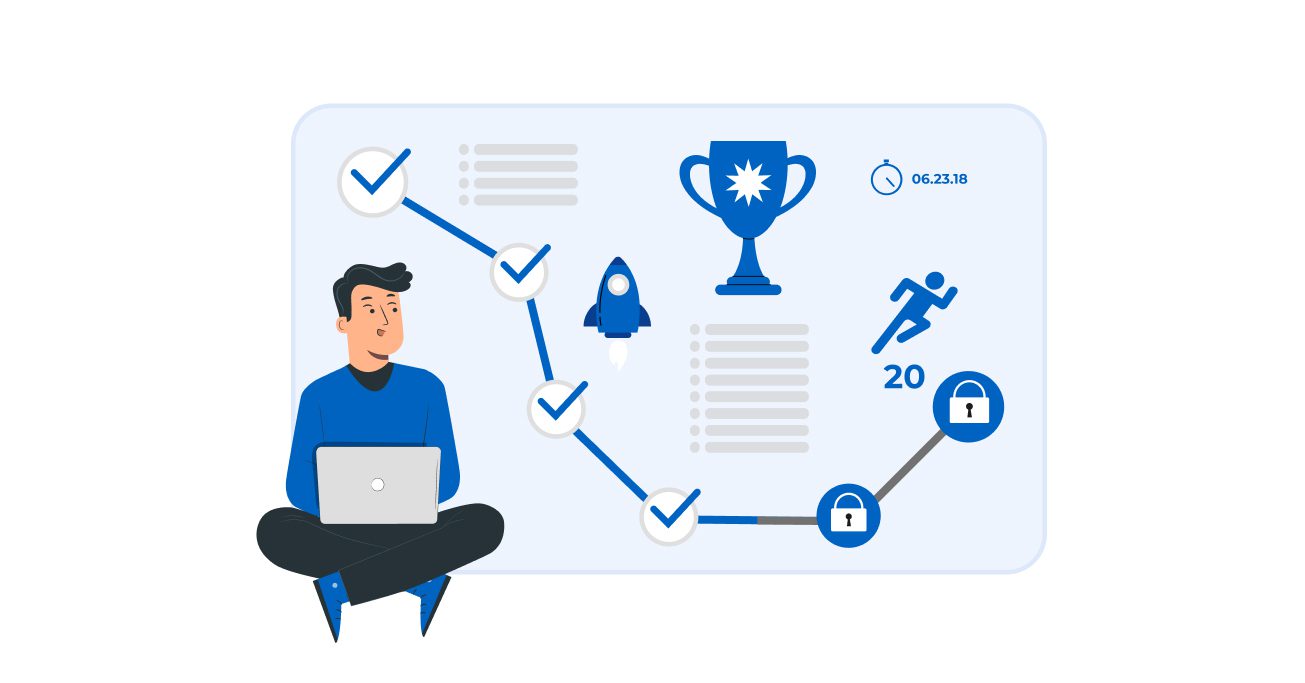
The next B2B marketing trend of 2023 is leveraging interactive marketing techniques and gamification elements to enhance customer engagement and drive conversions. Interactive content, such as quizzes, surveys, and calculators, encourages active participation, creating memorable experiences and capturing valuable data. Gamification elements, such as points, badges, leaderboards, and rewards, motivate users to complete desired actions, creating fun and challenging experiences and increasing loyalty.
Interactive marketing and gamification can help B2B marketers achieve various goals, such as increasing brand awareness, generating leads, educating prospects, providing value, building trust, and fostering community. They can also help B2B marketers differentiate themselves from the competition and stand out from the noise.
To implement interactive marketing and gamification, B2B marketers must use tools and platforms to help them create and manage interactive content and gamification elements, such as Outgrow, LeadQuizzes, Typeform, Ceros, Influitive, or Bunchball. They also need to align their interactive marketing and gamification strategies with their business objectives, target audience, and value proposition. They need to test and optimize their interactive content and gamification elements using metrics such as engagement rate, completion rate, conversion rate, and feedback.
Omnichannel Strategies Become Common

In 2023 businesses are recognizing the importance of delivering a seamless and integrated customer experience across multiple digital marketing channels and other touchpoints. Omnichannel marketing trend 2023 implies a multichannel approach, ensuring consistency, personalization, and convenience throughout the buyer’s journey.
Today’s corporations expect a cohesive experience as they navigate through various channels, such as websites, feedback platforms, email, mobile apps, and offline interactions. By implementing omnichannel strategies, businesses can create a unified brand presence and provide a synchronized experience that meets customers’ evolving preferences and needs.
The key to successful omnichannel marketing is gathering and leveraging customer data. By integrating customer data from different channels, businesses can gain valuable insights into their customers’ behaviors, preferences, and pain points. This enables them to deliver personalized and targeted messages across channels, ensuring relevant and timely interactions that resonate with their audience.
In addition, an omnichannel approach allows B2B marketers to optimize their campaigns and allocate resources effectively. Businesses can identify high-performing channels by analyzing customer journeys across channels, refine their messaging, and allocate budgets accordingly. This data-driven approach enables marketers to enhance customer engagement and maximize ROI.
Furthermore, businesses should ensure a consistent brand presence and messaging across all channels. This includes maintaining a cohesive visual identity, tone of voice, and messaging that aligns with their brand values. By delivering a consistent experience, businesses can build brand trust, loyalty, and recognition among their B2B audience.
Increasing Marketing Budgets Due to Market Revival

As the market revival gains momentum in 2023, B2B marketers are witnessing an increase in marketing budgets for startups and mature companies, signaling a renewed focus on growth and expansion. After a period of stagnation caused by the pandemic, businesses are eager to capitalize on emerging opportunities and regain lost ground.
According to the Gartner research, B2B marketing budgets are projected to experience a notable boost, with an expected growth rate of 10.1% in 2023. This significant increase highlights the recognition of marketing as a critical driver of business success in the current landscape. With expanded budgets, B2B marketers now have the means to invest in strategies and initiatives that can propel their organizations forward.
Customer-centric approach underscores the importance of building strong relationships and delivering exceptional value throughout the customer journey. By understanding their target audience’s unique needs and preferences, B2B marketers can tailor their marketing efforts to attract and retain valuable customers.
Digital transformation remains a key focus for B2B marketers in 2023. With the ever-increasing reliance on digital platforms and technologies, businesses must leverage these tools to enhance their online presence, engage with their audience, and drive conversions. Investing in digital marketing strategies, such as search engine optimization, social media marketing, and content marketing, allows B2B marketers to maximize their reach and connect with prospects in meaningful ways.
To make the most of the growing marketing budgets in 2023, B2B marketers balance tried-and-tested strategies and bold experimentation. They need to leverage data-driven insights to inform their decision-making, optimize their campaigns for maximum impact, and adapt to their target audience’s evolving needs and preferences.
Innovation and growth also take center stage in the minds of B2B marketers. With increased budgets, businesses are more inclined to explore new ideas, experiment with innovative solutions, and differentiate themselves from competitors. This emphasis on innovation fosters a dynamic and agile marketing environment, where B2B marketers are encouraged to think outside the box and pursue creative approaches to capture market share.
Accelerated Digitalization

The COVID-19 pandemic accelerated the digital transformation across industries. In 2023, businesses will continue to leverage digital channels as quarantine-induced habits persist. Companies still adapt to changing consumer behaviors and optimize their online presence to meet evolving customer expectations.
By automating and streamlining their processes and workflows, digitalization helps businesses improve their efficiency, productivity, and profitability. It can also help businesses innovate and grow by creating new products, services, and business models that meet the market’s changing needs.
To embrace digitalization, businesses need to:
- use tools and platforms to help them digitize their operations, such as cloud computing, AI and ML, blockchain, internet of things (IoT), or augmented reality;
- develop a digital strategy that aligns with their business objectives, target audience, and value proposition;
- implement a digital culture fostering collaboration, experimentation, and learning;
- monitor and measure the performance and impact of their digital initiatives using metrics such as cost savings, revenue growth, customer satisfaction, and innovation.
Shift to Retention Over Lead Generation

In the realm of B2B marketing, there is a notable shift from solely focusing on lead generation to recognizing the importance of customer retention. Retaining existing customers and nurturing long-term relationships have become increasingly valued in the industry. As such, customer retention takes its place as the final B2B marketing trend 2023 on our list.
Customer retention strategies are becoming increasingly important as businesses understand the significance of customer loyalty and the lifetime value it brings. By prioritizing customer retention, B2B marketers aim to create exceptional experiences that satisfy their existing customers and foster loyalty and advocacy. Retaining existing customers is often more cost-effective than acquiring new ones, as it reduces the need for constant lead generation efforts. Additionally, loyal customers are more likely to make repeat purchases, refer new business, and provide valuable feedback for product improvement.
In 2023, B2B marketers invest in initiatives that enhance the customer journey, strengthen relationships, and drive repeat business. This includes personalized communication, proactive customer support, and tailored offerings based on customer preferences and needs. By understanding their customers deeper, B2B marketers can deliver targeted and relevant content that keeps customers engaged and satisfied.
Loyalty programs continue to be an integral component of retention marketing strategies. These programs incentivize customers to maintain their business relationship with a company by offering exclusive rewards, discounts, or other benefits. In addition, loyalty programs also create opportunities for educational initiatives that encourage increased product consumption, leading to a deeper connection with the product. This, in turn, can drive upsells, cross-sales, and even transform loyal customers into brand ambassadors. Loyalty programs also provide a basis for customers to actively engage with the brand, provide valuable feedback, and foster a sense of community within the customer base.
The shift to retention over lead generation also brings a focus on customer success and post-sales support. B2B marketers will proactively engage with customers after the initial purchase to ensure they achieve their desired outcomes and derive maximum value from the product or service. By providing ongoing support, training, and resources, B2B marketers can establish themselves as trusted partners and ensure long-term customer satisfaction.
Conclusion
As the world rapidly changes, B2B digital marketing in 2023 is poised for growth and transformation. Increasing marketing budgets reflect the recognition of marketing’s pivotal role in business success. While several trends remain relevant from previous years, adapting to evolving content quality requirements is essential. Integrating Artificial Intelligence and Machine Learning accelerates digitalization, enhancing marketing automation and efficiency. Embracing these trends is crucial for businesses to stay competitive and effectively engage their target audience in this dynamic marketing landscape.
Take your B2B marketing to new heights with Glorium Marketing Agency for startups. We are at the forefront of B2B marketing trends, continuously monitoring the latest innovations and best practices. With our expertise and dedication, we are ready to implement our complete arsenal of knowledge and experience to ensure your startup project’s streamlined growth and quick success. Don’t miss the opportunity to leverage our cutting-edge strategies and propel your business into Unicorn status. Contact us today, and let’s embark on a journey toward B2B marketing excellence together!